
How the World Works: Gravity – the Force that Shapes Life on Earth
From Galileo and Newton to orbit, bone strength and everyday life, the latest How the World Works episode explains gravity in clear, lively terms for viewers of all ages, blending science, storytelling and curiosity in an accessible introdu

As science education competes ever more fiercely for children’s attention, Ecoflix has released a new How the World Works episode on Gravity that brings one of the most fundamental forces in nature into sharp, family-friendly focus. Designed for all ages, the programme moves from everyday observations to big scientific ideas, showing how gravity governs the world beneath our feet as well as the wider solar system.
The episode begins with a simple question familiar to any child who has dropped a toy, watched a balloon drift, or jumped into the air: why do things fall back down? From there, it opens out into a wider story about how humans have tried to understand gravity across history. Ancient people noticed that stones, fruit and other objects always returned to the ground, long before there was a scientific explanation for why. That instinctive human curiosity becomes the foundation for a brisk and engaging retelling of how scientific thought evolved.
How the World Works then turns to Galileo Galilei, introducing young audiences to the idea that heavy and light objects fall in the same way, before moving on to Isaac Newton and the insight that Earth pulls objects towards it. Rather than treating these moments as dry milestones, the film uses them to show how science often begins with close observation and a willingness to ask a better question. The result is a programme that keeps its explanations clear without losing a sense of wonder.
What makes the episode especially effective is the way it links gravity to daily life. It explains that gravity keeps people grounded, pulls rain from the sky and even helps determine how animals grow by placing demands on bones, muscles and circulation. In doing so, the programme connects abstract physics to the living world, reminding viewers that gravity is not only a force of falling objects but one of the conditions that helps shape life on Earth.
That connection between science and lived experience sits at the heart of the film. “Understanding gravity means understanding something basic about how our world holds together,” said an Ecoflix spokesperson. “This episode sets out to make that idea vivid, approachable and enjoyable for families watching together.”
The programme also widens its perspective beyond Earth. Viewers are shown how gravity changes with distance, why astronauts and spacecraft experience it differently, and how weaker gravity on the Moon affected the way humans moved across its surface. From there, the episode expands again to explain the Sun’s role in holding the planets in orbit and Earth’s role in keeping the Moon close. These sequences give the film a satisfying sense of scale, moving from the ordinary to the cosmic without ever losing clarity.
For Ecoflix, the release reflects a continuing commitment to intelligent, accessible programming that supports science literacy and environmental storytelling for broad audiences. Although centred on physics, the episode also speaks to the platform’s wider educational mission by showing how natural laws influence ecosystems, animal bodies and the conditions for life itself. Its tone is lively and inviting, but the editorial purpose is clear: to help younger viewers and families understand the forces that shape both planet Earth and the space beyond it.
By combining historical discovery, practical explanation and visual wonder, How the World Works offers a concise and memorable introduction to gravity that is likely to resonate with parents, teachers and curious children alike. At a time when trusted educational media matters more than ever, the episode stands as a strong example of how complex science can be made understandable without being oversimplified.
Click Here To Watch The Episode
External Links
NASA Gravity overview
Royal Society: Isaac Newton and gravity
First published in the Ecoflix newsroom.
More in Ecoflix Impact
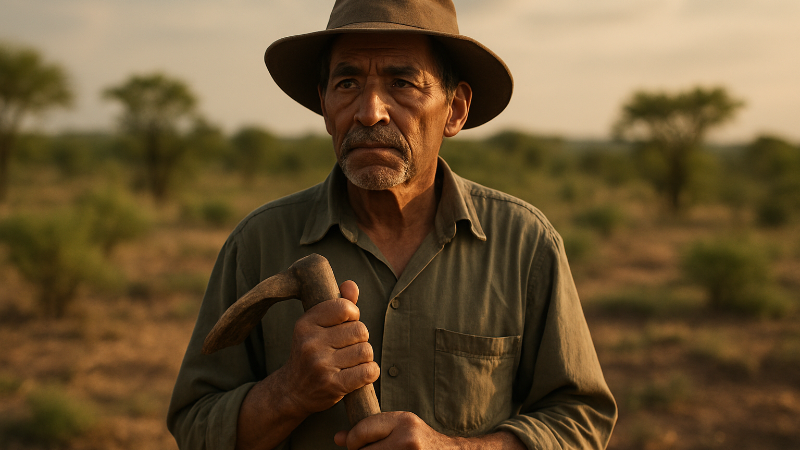
The Land That Came Back to Life
On World Environment Day 2026, the most powerful argument for nature-based climate action is not a projection or a policy paper. It is the evidence of what communities have already done — on three continents, with their own hands and their own land.
Read feature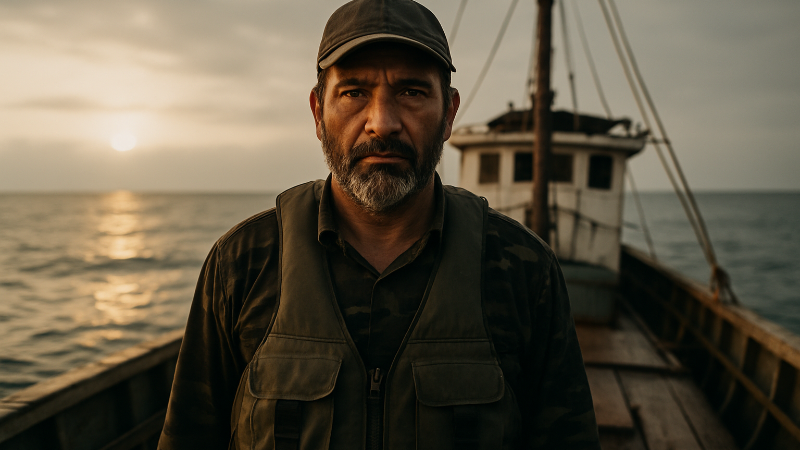
When Fishing Communities Defend the Ocean
The strongest evidence that marine protection works is not found in policy documents. It comes from the fishing communities, enforcement networks and NGO partnerships where illegal fishing has been met, and turned back. Neptune's Pirates is one of those stories.
Read feature
Why Beavers Are Already Doing the Job Policy Hasn’t
Beaver reintroductions in Britain have moved faster than legislation, faster than expectation, and produced measurable ecological change in a handful of years. The evidence is now harder to ignore than the politics around it.
Read feature