
What Happens When the Lights Come On at Sea
Seabirds are declining faster than almost any other bird group on the planet. The reasons are varied, the solutions less so — and a single night rescue operation on Madeira shows exactly how much ground we have already lost, and how little it takes to stop losing more.
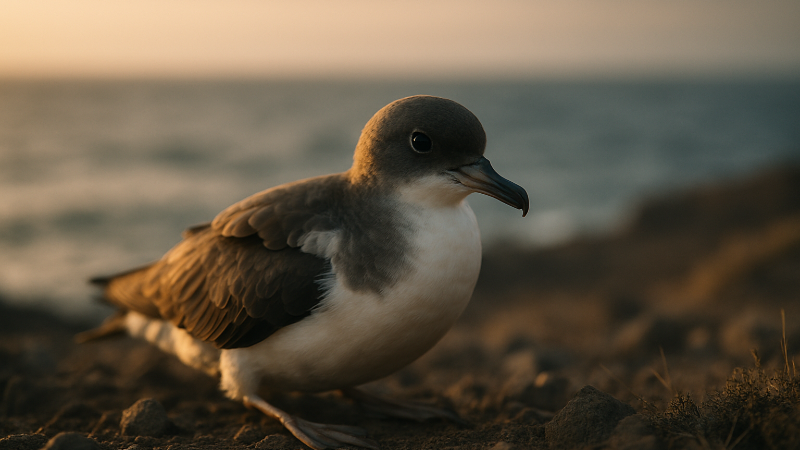
World Migratory Bird Day fell on Saturday this year, a brief annual pause in which the scale of what is actually happening to the world's bird populations comes into clearer view. The picture, for seabirds, is not encouraging. They are among the most threatened groups of vertebrates on earth — more so than mammals, more so than reptiles, and declining faster than almost any other class of bird. The IUCN Red List currently lists more than a third of all seabird species as threatened, and the trajectory for many of those populations has not improved in decades.
Every autumn on the island of Madeira, that trajectory takes a very specific shape. Juvenile Cory's Shearwaters leave their cliff-side nests for the first time, bound for the open Atlantic. Many never reach it. The culprit is not a predator, not a disease, not a shift in ocean temperature. It is the light from the towns below. Artificial light pulls young seabirds inland, disorienting them mid-flight. They land on streets, car parks and rooftops, grounded and unable to take off again. More than 1,000 seabirds die every year across the Azores, Madeira and the Canaries from light pollution alone — and globally, light pollution is increasing at roughly 10 per cent a year.
What makes the Cory's Shearwater's situation especially stark is the mathematics of its life. A juvenile bird spends five to seven years continuously at sea before returning to land for the first time. It mates for life and can remain productively breeding for 35 to 40 years. The species depends on compounding: long lifespans compensating for low annual reproductive rates. When young birds die before they ever breed, the loss is not just one bird. It is decades of breeding pairs that never form.
The volunteer response to this on Madeira — hundreds of people covering the same streets every night for two weeks each October, boxing grounded birds, weighing and tagging them, releasing them from dark cliffs — is a remarkable piece of grassroots conservation. But it is also a reminder of how much effort is now required to compensate for a problem that should not exist. On Corvo Island in the Azores, a municipality of 300 people runs a full 15-day blackout during migration and records zero fallouts. The intervention is not high-tech. It is not expensive. It is a deliberate choice about what a community is willing to do when it understands what is at stake.
That understanding is what is missing at scale. Seabird decline is not a story about one island or one species. It is the canary in the cage for an ocean ecosystem under sustained pressure from overfishing, plastic pollution, climate-driven prey shifts and, increasingly, the slow creep of light across coastlines that used to go dark. Endangered Species Day on Friday 15 May arrives this year with the Red List longer than it has ever been. The question it poses is not whether the declines are real. They are. The question is how much further down the curve we are willing to travel before the interventions become too late to matter.
Join the Ecoflix community and watch Be Brave To Act - Episode 2 Saving Seabirds At Night at https://watch.ecoflix.com/programs/bbta_ep2_saving_seabirds_at_night
First published in the Ecoflix newsroom.
More in Wildlife

What Two Women in Kibber Taught the World About Living with Snow Leopards
At more than 4,000 metres in the Spiti Valley, Dolma and Chodon have helped turn a village of leopard-wary herders into a community that now reports seeing more snow leopards than it did twenty years ago. The model behind that change is worth understanding in full.
Read feature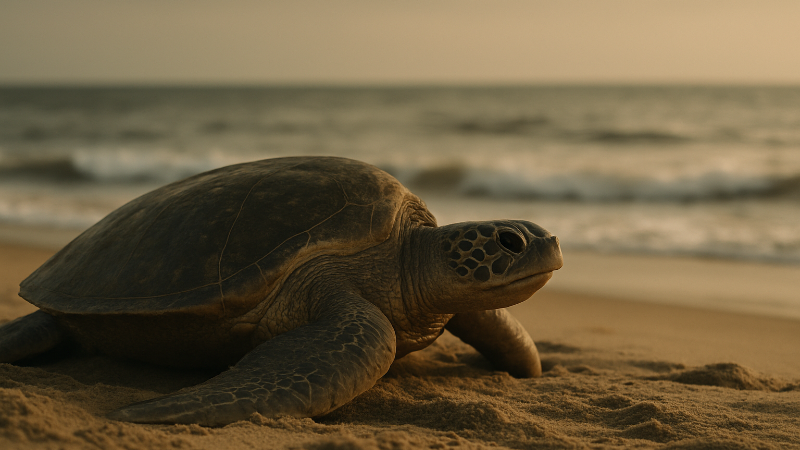
Why Sea Turtles Are Still Losing Ground
Sea turtles have outlasted mass extinctions, ice ages and the rise of every modern predator. What they have not yet outlasted is the ocean as it exists today — and World Turtle Day is a sharp reminder of what hangs in the balance.
Read feature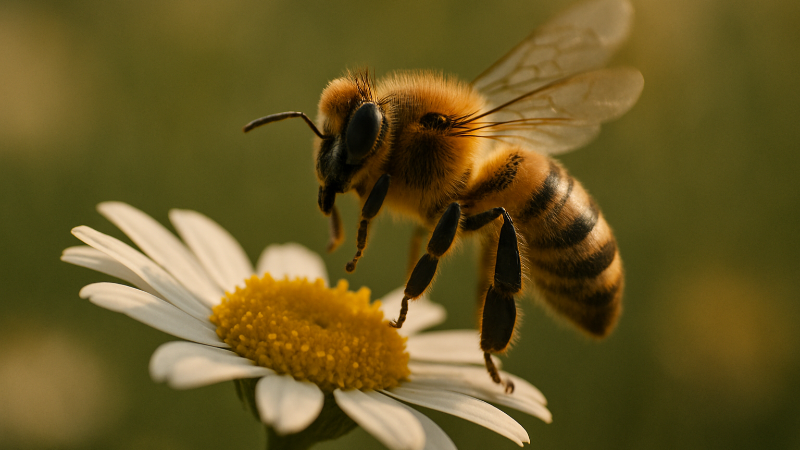
What Bees Know That We Have Forgotten
On World Bee Day, the science behind pollination reveals an architecture of ecological intelligence that took millions of years to build — and is being dismantled in decades. The question is whether we understand enough to rebuild it.
Read feature