
What Two Women in Kibber Taught the World About Living with Snow Leopards
At more than 4,000 metres in the Spiti Valley, Dolma and Chodon have helped turn a village of leopard-wary herders into a community that now reports seeing more snow leopards than it did twenty years ago. The model behind that change is worth understanding in full.
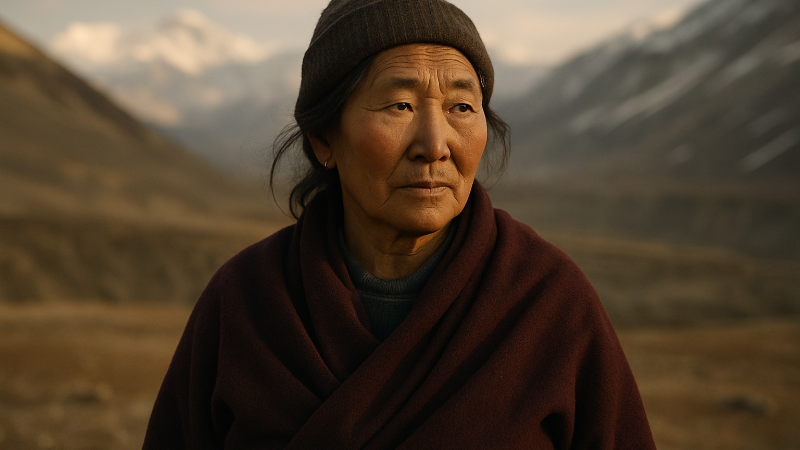
One night, a snow leopard broke into Dolma's corral and killed her animals. In the Kibber village of the Spiti Valley, where families work the land from sunrise to sunset through a growing season that lasts a matter of weeks, losing livestock is not an abstraction. It is a direct blow to the household economy and to the emotional fabric of a family that has raised those animals through the mountain winter. The instinct after such a loss, in any community anywhere in the world, is to treat the predator as an enemy.
Dolma did not. What changed her relationship with the snow leopard was not an appeal to conservation principles. It was a practical programme that made tolerance financially rational and socially meaningful.
The predator-proof corral came first. A structural modification to her livestock enclosure, developed through the Snow Leopard Trust, that removed the vulnerability that had made the attack possible. Simple in concept, significant in effect. A reinforced corral does not require a herder to accept losses in the name of wildlife conservation. It removes the point of conflict before it occurs. Across the Himalayan range, that intervention alone has contributed to measurable reductions in livestock predation events and, as a consequence, in retaliatory killings of snow leopards.
But the deeper transformation in Kibber came through Snow Leopard Enterprises, a programme run jointly by the Nature Conservation Foundation and the Snow Leopard Trust that began in 2013. Dolma and Chodon, along with other women from the village, gathered during winter months to make handicrafts for sale. In exchange for participating, they signed a conservation commitment: no wildlife would be harmed in the vicinity of the village. The income mattered. What mattered as much, if not more, was what the programme did to their standing in the community.
Selling handicrafts through a conservation programme gave Dolma and Chodon a voice they had not previously held in village politics. When decisions were made about land use, about livestock management, about how to respond to the next predator incident, men listened when these women spoke. Conservation had become a source of social authority, not only of modest income. That shift, from passive bystander to active stakeholder, is the mechanism by which community-based coexistence programmes actually take hold.
The results in Kibber are not anecdotal. Dolma and Chodon report seeing more snow leopards now than they did twenty years ago. The cat that was once viewed as a threat to their livelihood is now understood as something closer to an ally in it. The logic is straightforward: a community that has a stake in the snow leopard's survival will protect it. One that sees the animal only as a liability will not. The economics and the ecology have to be aligned.
The Ecoflix film Living with Snow Leopards, Dolma and Chodon follows this story directly from the Kibber valley. It is a portrait of conservation at the scale at which it actually functions: not in policy documents, but in a winter meeting of village women around a table of tea and half-finished handicrafts, deciding together that the leopard on the ridge above them is worth keeping.
What Kibber demonstrates is transferable. The specific mechanisms will vary by species, by landscape and by the existing social structures of each community. The principles do not. Wildlife survives at the margins of human settlement when the people living there have a concrete, personal reason to want it to.
Stream Living with Snow Leopards, Dolma and Chodon and support the work of our conservation partners at https://watch.ecoflix.com/programs/living-with-snow-leopards-dolma-and-chodon
First published in the Ecoflix newsroom.
More in Wildlife
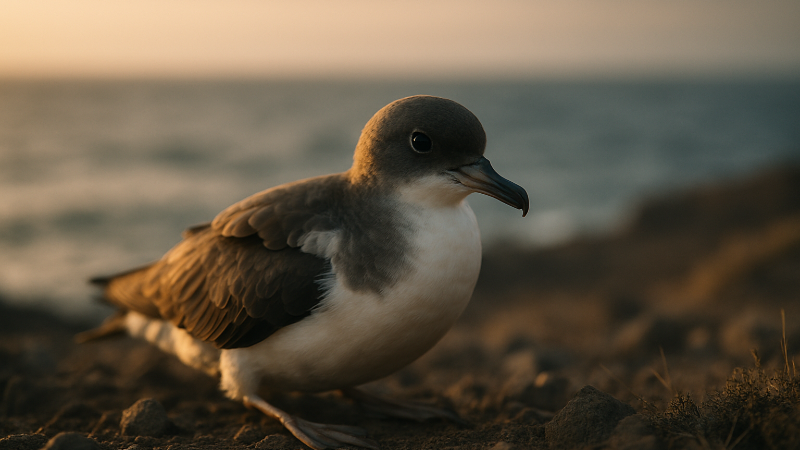
What Happens When the Lights Come On at Sea
Seabirds are declining faster than almost any other bird group on the planet. The reasons are varied, the solutions less so — and a single night rescue operation on Madeira shows exactly how much ground we have already lost, and how little it takes to stop losing more.
Read feature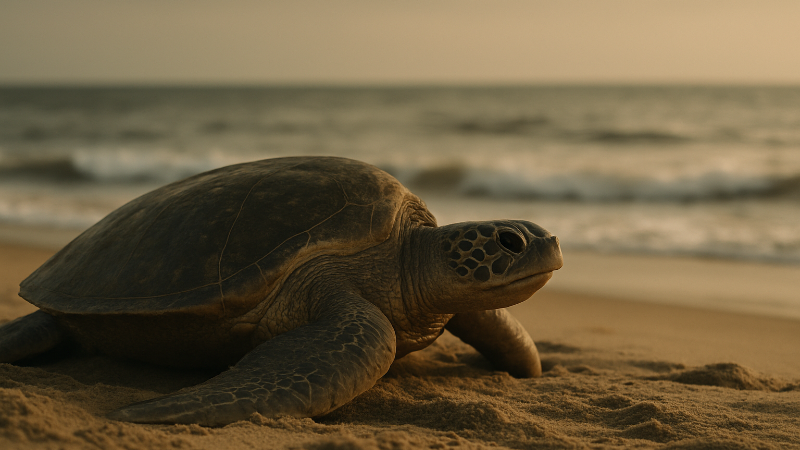
Why Sea Turtles Are Still Losing Ground
Sea turtles have outlasted mass extinctions, ice ages and the rise of every modern predator. What they have not yet outlasted is the ocean as it exists today — and World Turtle Day is a sharp reminder of what hangs in the balance.
Read feature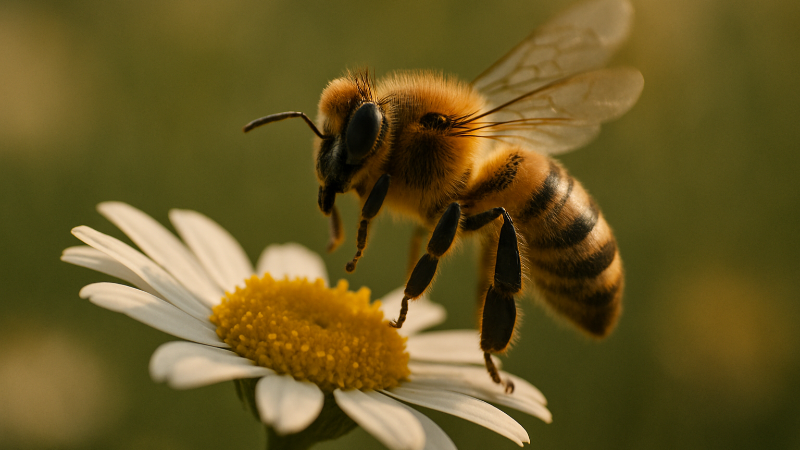
What Bees Know That We Have Forgotten
On World Bee Day, the science behind pollination reveals an architecture of ecological intelligence that took millions of years to build — and is being dismantled in decades. The question is whether we understand enough to rebuild it.
Read feature