
Why Sea Turtles Are Still Losing Ground
Sea turtles have outlasted mass extinctions, ice ages and the rise of every modern predator. What they have not yet outlasted is the ocean as it exists today — and World Turtle Day is a sharp reminder of what hangs in the balance.
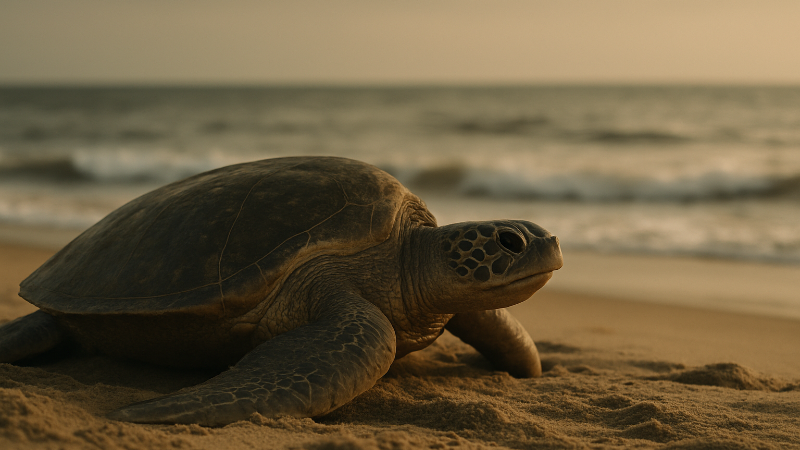
Saturday marked World Turtle Day, an annual prompt to consider one of the ocean's oldest inhabitants.
Sea turtles have been navigating the world's oceans for more than 150 million years. They pre-date the continents in their current shape. They survived the asteroid event that ended the dinosaurs.
Today, every one of the seven species is classified as either endangered or critically endangered. That fact is not a warning about a possible future. It is the current condition of an animal that has shown remarkable resilience across geological time and is now being pushed toward its limits within a single human lifetime.
The threats they face are interconnected and cumulative. Plastic waste is among the most documented. Sea turtles mistake plastic bags for jellyfish — a near-identical visual match in the water column — and ingest them in quantities that cause internal blockages, starvation and death.
Light pollution on and near nesting beaches disorients hatchlings making their first journey to the sea, drawing them inland rather than toward the water. Boat strikes cause injuries that, in some cases, prove fatal; in others, they leave animals requiring months of rehabilitation before they can return to the ocean. And bycatch, the incidental capture of turtles in fishing gear intended for other species, remains among the most lethal and least visible threats. A stressed turtle tangled in fishing gear can drown within minutes.
The survival odds for a newly hatched turtle are a useful lens on how extreme the pressure has become. Only one in 1,000 hatchlings survives to reach maturity. That ratio evolved over millions of years to account for natural predation and environmental attrition.
It did not evolve to account for industrial-scale threats applied simultaneously from the water column, the coastline and the beach itself. When those threats compound, the mathematics of population recovery become significantly harder.
Nesting beaches carry their own pressures. Coastal development reduces available nesting habitat. Human activity on beaches at night disrupts nesting females. In some parts of the world, turtle eggs and meat are still taken illegally.
The combination of pressures applied at every life stage makes sea turtle conservation a genuinely complex problem. The global picture is not uniform — some populations are recovering, and the science of turtle management has made real advances — but the overall trajectory for most species remains difficult.
The work of reversing it is happening, and it is happening in places that rarely attract headlines: small islands, fishing communities and marine research stations where scientists, activists and local people are building the baseline data and the trust that long-term recovery requires. That work deserves serious attention, not just on World Turtle Day, but as a sustained commitment to the ocean systems turtles have helped maintain for longer than our species has existed.
Join the Ecoflix community and watch Searching For Sea Turtles In Grenada at https://watch.ecoflix.com/programs/searching-for-sea-turtles-in-grenada
First published in the Ecoflix newsroom.
More in Wildlife
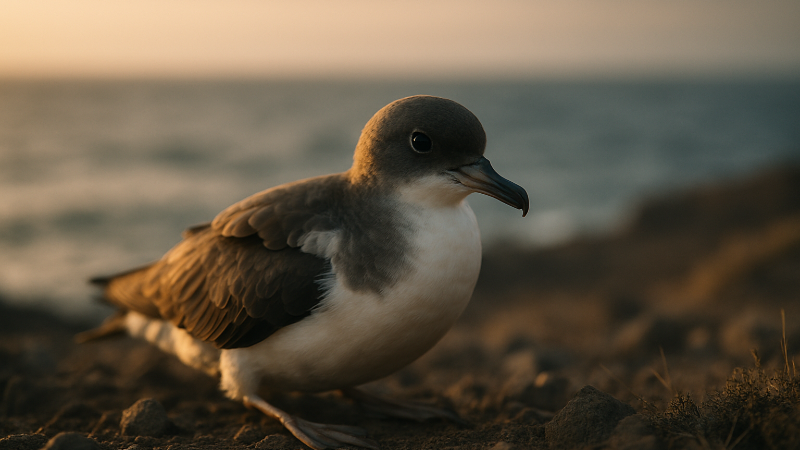
What Happens When the Lights Come On at Sea
Seabirds are declining faster than almost any other bird group on the planet. The reasons are varied, the solutions less so — and a single night rescue operation on Madeira shows exactly how much ground we have already lost, and how little it takes to stop losing more.
Read feature
What Two Women in Kibber Taught the World About Living with Snow Leopards
At more than 4,000 metres in the Spiti Valley, Dolma and Chodon have helped turn a village of leopard-wary herders into a community that now reports seeing more snow leopards than it did twenty years ago. The model behind that change is worth understanding in full.
Read feature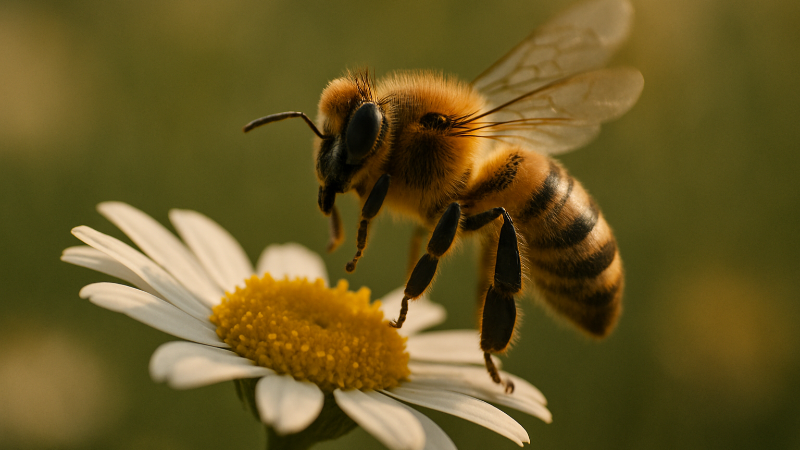
What Bees Know That We Have Forgotten
On World Bee Day, the science behind pollination reveals an architecture of ecological intelligence that took millions of years to build — and is being dismantled in decades. The question is whether we understand enough to rebuild it.
Read feature